
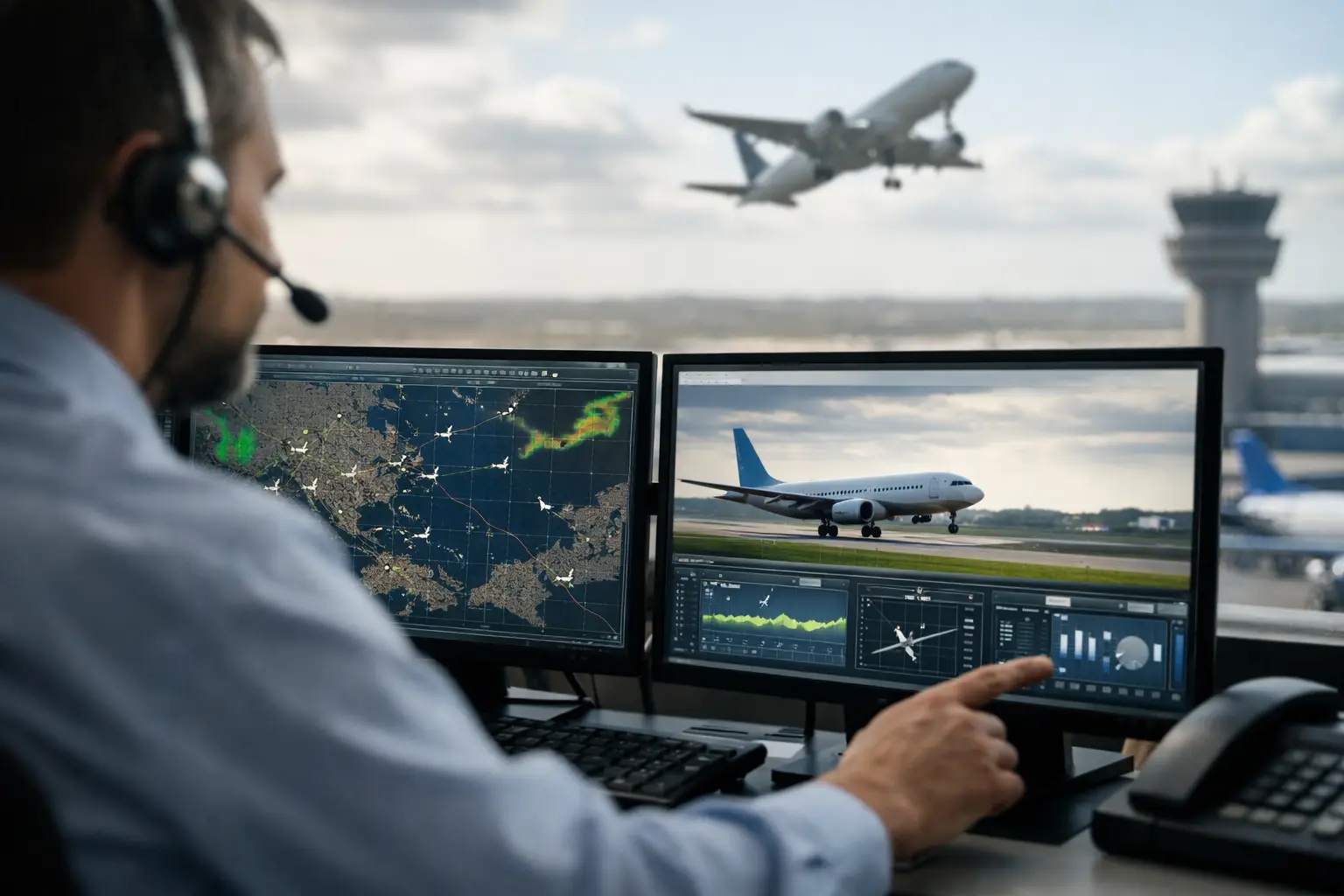
A delayed landing can disrupt far more than the flight itself. It can affect your driver’s arrival time, your collection point, your onward journey and, if the transfer is poorly managed, your confidence that anyone will be there at all. That is exactly how flight monitoring prevents delays from turning into missed connections, long waits or rushed airport pick-ups.
For anyone booking an airport transfer, especially for Heathrow, Birmingham, Bristol or Gatwick, the concern is rarely just the flight. It is what happens next. If your plane lands early, late or is held on the tarmac, the transfer needs to adjust around it. A professional private hire service does that by tracking the live status of your flight and responding before a timing issue becomes a practical problem.
How flight monitoring prevents delays in real terms
Flight monitoring is not simply checking whether a plane has taken off. It is an active part of planning the collection. When a transfer company monitors a flight, it can see schedule changes, estimated arrival updates and, in many cases, whether the aircraft is making up time or losing more of it.
That matters because airport transfers run on timing, not guesswork. If a driver leaves too early for a delayed flight, you may face unnecessary waiting charges or poor coordination. If they leave too late because nobody noticed the revised arrival time, you could be standing in arrivals with luggage and no clear idea when your car will arrive. Monitoring helps avoid both outcomes.
For the customer, the benefit is simple. Your pick-up is adjusted to the reality of your journey, not the original booking time alone.
What actually happens behind the scenes
When flight monitoring is used properly, it informs several decisions at once. The dispatch team can review the flight status, adjust the driver’s timing and account for the airport, terminal and likely traffic conditions on the route.
That is especially useful on busy airport runs from areas such as Cheltenham, Gloucester or Tewkesbury, where the journey itself may take a significant amount of time. A 40-minute delay in the air does not just shift the landing time. It changes when the driver should set off, what traffic they may encounter and whether the original collection plan still makes sense.
A well-managed service uses that information to keep the transfer smooth. The driver is not turning up blind. They are being sent with current information, which reduces idle waiting and lowers the chance of a late collection.
Why airport delays create transfer problems so easily
Flights are unpredictable in ways road travel is not. Departure slots move. Holding patterns happen. Aircraft can land on time and still take longer than expected to reach the gate. Then passengers may face queues at border control or delays collecting baggage.
This is why airport transfers need more than a simple booked time in a diary. If a service relies only on the original flight schedule, it leaves little room to respond when the airport day changes. Even a small delay can create a domino effect.
Without monitoring, drivers are often forced into one of two poor options. They either arrive too soon and wait unnecessarily, or they arrive too late and leave the passenger stressed at exactly the point when they expected things to become easier.
How flight monitoring helps passengers arriving in the UK
For arriving passengers, the biggest advantage is reassurance. After a flight, most people want clarity. They do not want to start making calls from the terminal, comparing ride options or wondering whether their booking still stands because the aircraft landed later than planned.
A transfer service that tracks flights can adapt without placing that burden on the passenger. If the plane is delayed, the collection is adjusted accordingly. If it lands early, the service can respond sooner rather than following an outdated timetable.
This is particularly helpful for families with children, business travellers on a schedule, and anyone arriving late at night when reliable transport options may be more limited. It is also valuable for passengers returning to unfamiliar terminals or travelling with extra luggage, where a properly timed meet and greet makes a noticeable difference.
How flight monitoring prevents delays for departures too
Although most people associate flight monitoring with arrivals, it also supports better planning for outbound airport journeys. A professional transfer provider can monitor schedule changes and build that into departure planning where needed.
If an airline alters a departure time, that may affect when you need to leave home. The exact response depends on the airport, check-in requirements and the type of journey. A short-haul holiday flight, a long-haul business trip and a family transfer with multiple cases all call for slightly different timing.
This is where experience matters. Monitoring the flight is useful, but understanding how that change affects the road transfer is what prevents mistakes. Good service is not only about seeing the data. It is about acting on it sensibly.
The limits of flight monitoring
Flight monitoring is valuable, but it is not magic. It does not remove road closures, motorway congestion or severe weather. It also cannot shorten passport queues or speed up baggage reclaim.
What it does do is remove one major source of avoidable delay – poor coordination between the aircraft and the car service. That distinction matters. Monitoring cannot control every part of the journey, but it can make sure your transfer is planned against live information rather than assumptions.
This is one reason premium private hire services place such importance on dispatching and communication. Monitoring works best when it is paired with practical operations, realistic scheduling and drivers who know the airport process well.
Why this matters more than price alone
Many travellers only appreciate flight monitoring after something goes wrong. On paper, a cheaper transfer may appear similar. In practice, the difference often shows up when a flight is late, an airport is congested or the landing time changes twice in one afternoon.
At that point, the quality of the service becomes clear. Is someone actually tracking the flight? Is the pick-up being adjusted? Is there a proper system behind the booking, or are you expected to sort out the timing yourself?
For customers who value punctuality and peace of mind, that operational detail matters. It is part of what separates a professionally managed airport transfer from a casual lift booked on hope rather than planning.
What to look for in an airport transfer service
If you are booking a car to or from the airport, flight monitoring should sit alongside other practical standards. Fixed pricing matters because it avoids uncertainty if the timing changes. Licensed, DBS-checked drivers matter because reliability and safety go together. Clear confirmation details matter because you should know exactly what happens if your flight lands early or late.
It is also worth checking whether the service includes meet and greet, how airport waiting is handled and whether the company regularly covers major UK airports. Familiarity with Heathrow is not the same as familiarity with Bristol or Manchester, and a provider that works those routes regularly is often better prepared for terminal procedures, traffic patterns and realistic journey times.
For many passengers, the real value is not the tracking feature by itself. It is the fact that tracking sits within a wider service built to remove uncertainty.
A better transfer starts before you land
When airport travel goes smoothly, most of the work happens out of sight. The route has been planned. The driver has been dispatched properly. The flight has been checked. The collection timing has been updated if needed. You simply arrive and continue your journey.
That is the practical answer to how flight monitoring prevents delays. It gives the transfer company the chance to react early, plan properly and keep your journey moving when flight times change. For passengers, that means less waiting, less confusion and a much better start or finish to the trip.
If you are booking an airport transfer, choose a service that treats timing as part of the job, not as your problem to solve after landing. The calmest journeys usually begin with the best preparation.